


Summary: Closing day is not the end of a client relationship. This week, give appreciation a place on your calendar, choose a few past clients to contact, and reach out with a message that is specific, personal, and asks for nothing in return.
Client appreciation should not end when the closing documents are signed. The transaction may be complete, but the relationship does not have to be. In fact, some of the most meaningful client relationships begin after the pressure of buying or selling has passed.
Last week, we talked about recognizing the abundance already present in our lives and businesses. We reflected on the clients, friends, mentors, and family members who helped us reach this point. This week, I want to take that appreciation one step further and make it visible.
Most of us genuinely care about the people we serve. The challenge is not usually a lack of gratitude. It is that unless client appreciation receives time on the calendar, it can quietly disappear beneath the demands of the next transaction.
What Happens to the Relationship After the Closing?
Real estate creates an unusual kind of connection. We may walk with clients through financial decisions, family changes, uncertainty, celebration, and some of the most emotional moments of their lives. For a season, we speak often and know exactly what is happening with them.
Then the transaction closes.
Our attention naturally moves to the next client or problem. Weeks become months, and we realize we have not spoken to someone whose trust once meant a great deal to us.
This does not mean the relationship was insincere. It means relationships need care after the urgency is gone. If we only stay connected when someone is actively buying, selling, or referring business, even genuine appreciation can begin to feel transactional.
The people we have served should not hear from us only when we need something.
Why Does Client Appreciation Need a Place on the Calendar?

We often treat appreciation as something we will do when there is time. We intend to send the card, make the call, or check in after a move. Then the week fills itself, and the thoughtful action becomes another good intention we carry forward.
Giving client appreciation a place on the calendar does not make it less genuine. It simply protects our intention from being crowded out.
This is where the daily Prosperity Practice can help. As you move from your brain dump to your Big Rocks and the next meaningful action, relationship care can become part of the rhythm. Perhaps you protect twenty minutes each Friday to contact three past clients. Maybe one personal note becomes part of your morning routine twice a week.
The number matters less than the consistency. A manageable habit you can sustain will create more connection than an elaborate plan you rarely use.
How Can a Playbook Support a Personal Relationship?
The idea of a relationship playbook may sound formal, but it does not need to turn people into a checklist. A good playbook simply helps you remember what matters.
It might include a few simple options: send a handwritten card, make a phone call, record a short video, or write a personal text. It can also remind you to listen for important details such as a new job, a child starting school, a home project, an anniversary, or a challenge the client mentioned.
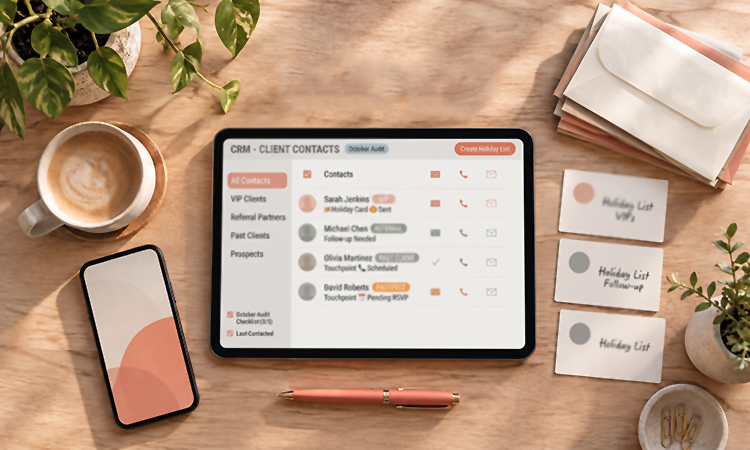
A CRM can support this by prompting you to reach out. Imagine opening your tasks and seeing a reminder that a client’s home anniversary is this week. That small prompt can lead to a thoughtful, personal message you might otherwise have missed. But the reminder should never become the entire relationship. Technology can tell you it is time to connect. It cannot replace your attention, memory, or care.
That distinction has become increasingly important in my own work and in the conversations I have with agents at Epique Realty. Systems help us follow through, but the person receiving the message should still feel that it came from a human being who remembers them.
What Makes an Appreciation Message Feel Personal?
A personal message shows someone that you remember them, not just their name. “Just checking in” is easy to send, but it rarely communicates much. A more thoughtful message reflects the actual relationship.
You might ask whether the garden they planned is finally taking shape. You could tell them you still remember how excited their children were to choose their rooms. Perhaps you thank them for trusting you during a difficult move, or tell them how much their referral meant at a time when you were growing your business.
The message does not need to be long. It needs to be true.
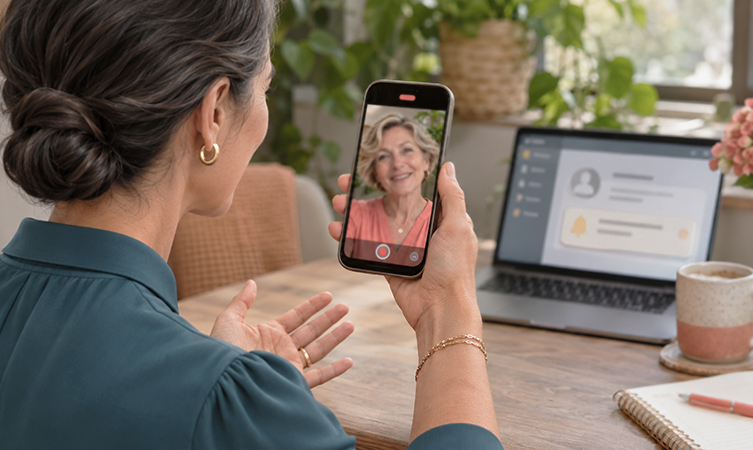
A short video or voice message can feel especially personal because your warmth comes through in a way that text does not always capture. A handwritten card creates a different kind of pause. A phone call gives you the opportunity to ask, listen, and let the conversation go somewhere unexpected.
Choose the method that fits the person and the relationship. Appreciation is most meaningful when it feels like recognition, not distribution.
Who Would Love to Hear From You This Week?
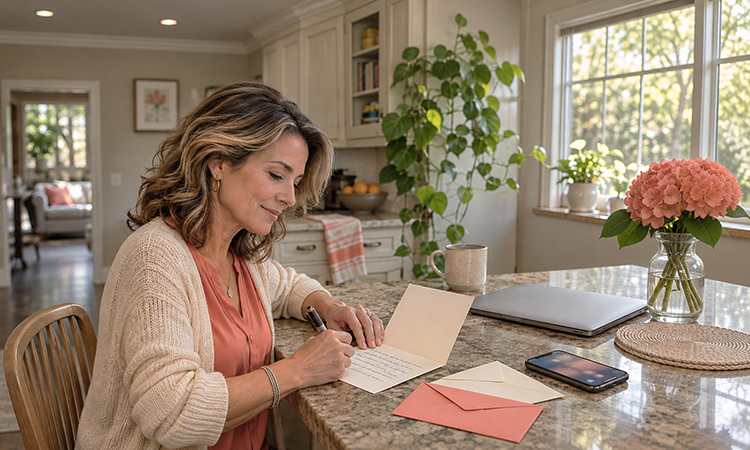
Choose a manageable number of past clients to contact this week. Three may be enough. Five may feel right. The goal is not to work through your entire database in one burst of motivation.
Reach out without asking for a referral, announcing a new service, or turning the conversation toward business. Ask how they are doing. Listen to what has changed. Thank them for trusting you, and be specific about what you appreciated.
Then make a note in your CRM about what you learned and when you would like to reconnect. That small step helps the relationship continue beyond a single November message.
As you choose the names, consider this question:
Who would love to hear from you without being asked for anything?
The answer may reveal exactly where to begin.
Build a Relationship Playbook You’ll Actually Use
You do not need a complicated campaign. Start with a simple rhythm you can repeat: a small number of people, protected time, a few thoughtful ways to connect, and a place to record what matters.
That is exactly what we are creating inside Agents of Abundance: practical relationship playbooks that help agents care for their people consistently. The goal is not to automate gratitude. It is to build enough structure that appreciation does not depend on having a quiet week or suddenly remembering at the right moment.
If you would like to build a playbook you can use every week, join us inside Agents of Abundance.
Because closings matter, but they are not the whole relationship. Long after the paperwork is complete, people remember how you made them feel, whether you stayed connected, and whether your care continued when there was nothing left to sell.
Appreciation becomes part of your business when you give it time, attention, and a place to live.
Stay connected with Dawn Loding for conversations around real estate abundance, aligned growth, and building a business that supports your life instead of consuming it. Through the Agents of Abundance podcast, the Facebook group, Epique Voices, and the Agents of Abundance community, you’ll find spaces designed to support meaningful growth, honest conversations, and a more sustainable way to succeed in real estate.